Sustainable Building Products For A Far Better Future
By @kylerjxqt691
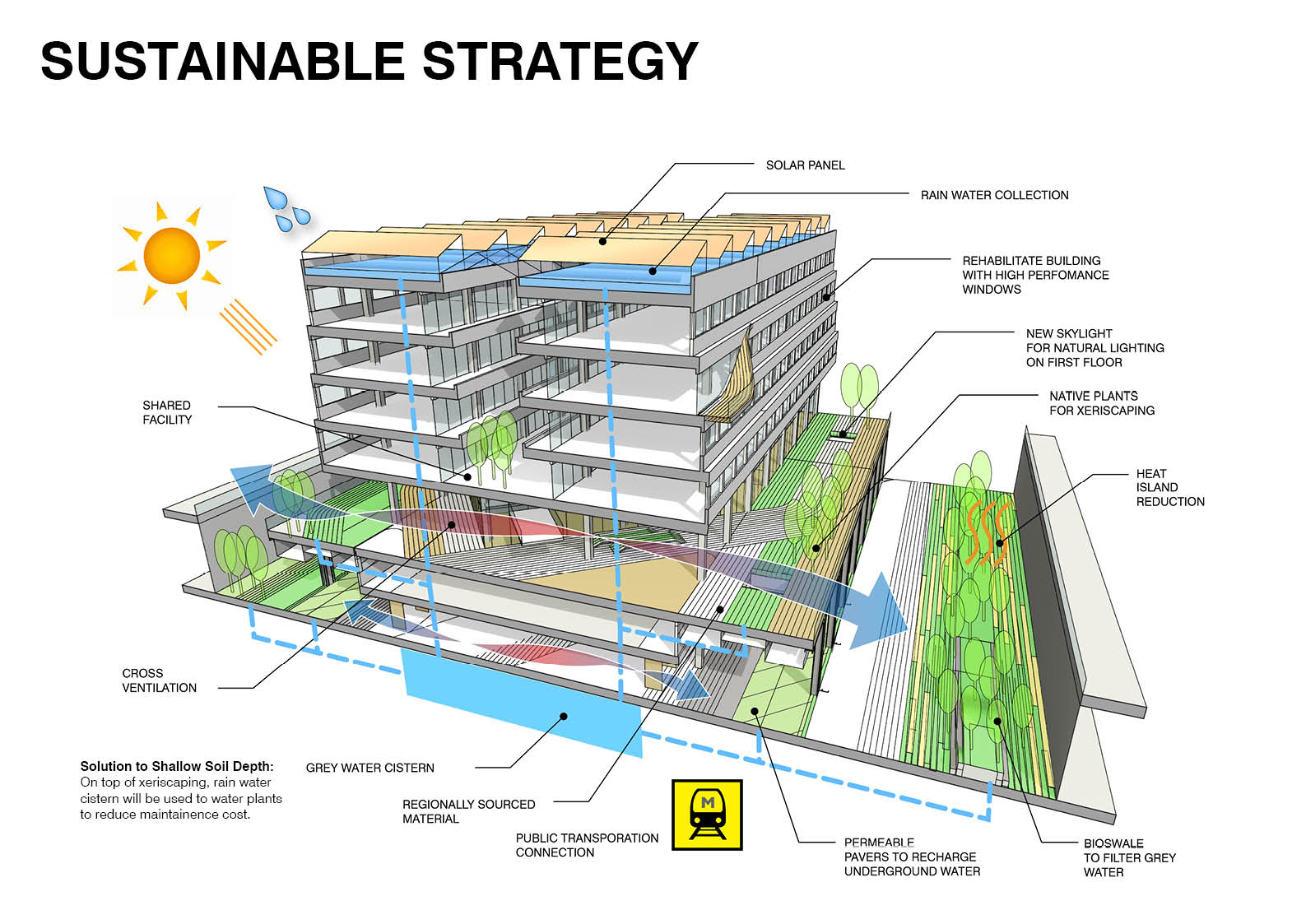
Just How Eco-friendly Materials Change Constructing Projects Satisfying these criteria is critical for eco-friendly structure tasks, as it aids stakeholders achieve long-lasting environmental and financial benefits while sustaining international sustainability goals. All these features, parts, and accreditations are crucial for eco-friendly and sustainable structures. By supplying products for these projects, we actively participate in a substantial improvement towards a healthier atmosphere and improved lifestyle. We can consequently minimize our effect on the earth and knowingly supporter for progressing technology that does not harm nature. Many environment-friendly building products are made to last longer than their conventional counterparts, thus lowering the requirement for regular replacements and repairs. This not just saves money yet additionally reduces the quantity of waste produced from construction and demolition.
- On the supply side, suppliers are spending in expanding manufacturing ability and developing new product to touch the capacity.
- While they may come with a higher ahead of time cost, the long-term cost savings are considerable.
- Industrial and commercial sector is anticipated to add 38.9% of the market share in 2026.
- It is worthy to note that not all environment-friendly structures throughout the world have the exact same requirements.
We're Developing Relationships And Buildings Developed To Last
Environment-friendly structure accreditations play an important duty in making certain that structures fulfill high sustainability requirements. These accreditations not only advertise ecological duty yet additionally assist overview designers, designers, and contractors in creating structures that are energy-efficient, resource-conserving, and healthy for occupants. A number of widely recognized certification systems exist, each focusing on different aspects of sustainability, however all inevitably objective to lower the adverse environmental influences of building and construction and building operations. Natural insulation products, such as cellulose, lamb woollen, or cotton, efficiently regulate thermal energy while lowering power consumption.Living Walls
Is environment-friendly structure energy-efficient?
Put simply, power performance means utilizing less energy to obtain the exact same work done & #x 2013; and cutting energy costs and decreasing air pollution in the process. Many products, homes, and structures utilize more energy than they actually require, with inefficiencies and power waste.
Market Concentration And Competitive Landscape
Environment-friendly structures Turnkey Renovation can substantially help in boosting the atmosphere consisting of giving fresh air to the homeowners of the structure. Because of this, these homeowners can delight in much better wellness considering that there is much less water and air contamination risk. Environment-friendly style focuses on environmental duty, source effectiveness, and occupant wellness. It aims to reduce environmental damage while advertising eco-friendly methods and healthy and balanced living atmospheres. Real-time providing allows engineers to envision just how the sunlight's angle influences the building's natural light, permitting them to make adjustments to make the most of the advantages of daylighting. ChildSafe's Salado Creek Campus was made to incorporate nature to boost healing. The design consists of green roofing systems, recovery yards, and all-natural bioswales to look like a park-life setup for kids. Green design generally includes lush, complete appearances, supplying a welcome comparison to the gray, dull tones of most contemporary city buildings. Some sustainable residential properties can even include all-natural greenery accents, such as wall surfaces constructed from plants and vines hanging over the edges to provide a fresher visual allure. Fox Blocks' Shielded Concrete Kind systems integrate continual insulation, architectural durability, and air-barrier continuity within a combined wall setting up. These attributes influence thermal security, dampness resistance, and long-term lifecycle Building Performance efficiency. Structure operations represent approximately 28% of global energy-related carbon exhausts, while construction processes contribute over 10% of worldwide emissions. Decreasing the ecological influence of this market is crucial to fulfilling the targets detailed in the Paris Contract. Ultimately, non-toxic and low-impact materials are an essential part of green building systems. Many traditional structure products release harmful chemicals, including volatile natural substances (VOCs), that can adversely impact interior air quality and human health and wellness. Environment-friendly building materials, on the various other hand, are without such hazardous exhausts, making them safer for passengers and enhancing the overall health of living and functioning spaces. Japan's environment-friendly building products market is proliferating, spurred by strong government plans, stricter building criteria, and increasing consumer/environmental understanding.Corrections
Spot something wrong? Send it to the desk and it gets fixed in the open.